
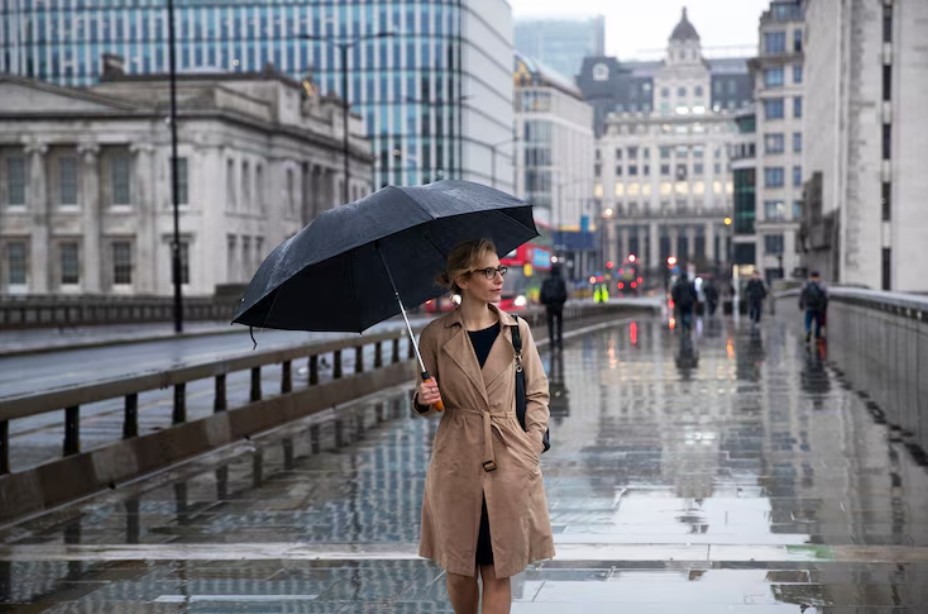
Weather forecasts for London are averaged for the city based on a limited number of observation points. The city has a dense urban environment with multiple microclimates, and as a result, parameters like rainfall, wind flow, humidity, and temperatures can vary drastically across local pockets. Atmospheric conditions for a given site are further influenced by the presence of buildings, green zones, and river corridors, and two locations within Greater London can have totally different weather at a given time.
Understanding weather London requires precise weather for a location, and that’s where a platform like MeteoFlow helps. MeteoFlow is designed to offer unique, tailored insights for locations across London and is managed by expert tech professionals, meteorologists, and data scientists. Let’s understand microclimate factors in London in this blog.
Factors that Influence Microclimates in London
The first one is urban heat retention. Areas that have clustered buildings in the city have higher temperatures because construction materials continue to absorb solar heat. Compared to surrounding suburbs, these pockets remain warmer at night. The second factor is the influence of the River Thames, which has an impact on humidity, wind flow, fog, and mist formation in areas closer to it. Zones in London with tall buildings often have different wind speeds, and readings at the rooftop can differ from readings on the ground. Areas closer to Hyde Park and Richmond Park have lower temperatures in general compared to other busy parts of the city.
Citywide Weather Forecasts Do Not Include Local Variations
Usually, weather forecast data represents a single reference station, which means that averaging conditions often mask the critical differences across locations. A simple example of that would be the wind speed, which can be different for central London areas and the airport. Similarly, temperature readings can differ by many degrees between dense districts and greener pockets. Most central business districts have higher nighttime temperatures and reduced wind flow.
Microclimate Awareness Matters in London
For many industries, precise readings for a given zone or area of London are critical. The construction industry depends on details about localised wind speed and gust for crane operations, while transport across London must be checked and monitored based on rainfall intensity to avoid chaos. The localised cloud cover can affect solar performance. Some parameters to consider include:
- Temperature variation between dense urban areas and green pockets
- Wind speed, including gust acceleration
- Humidity levels, which can be higher near waterways and shaded areas
- Rainfall details, including intensity for an area, are influenced by passing weather systems
Weather Insights for Daily Planning
With advanced platforms, multiple monitoring points promise better coverage across the city. Many websites now use forecasting models that capture atmospheric behaviour at a smaller scale, ensuring data is accurate. Furthermore, it is possible to track hourly trends, which helps with planning the day by considering dry windows and managing energy needs based on temperature trends. Numerous industries across London need such precise, detailed weather information on microclimates to adapt and meet daily work and scheduling needs.