
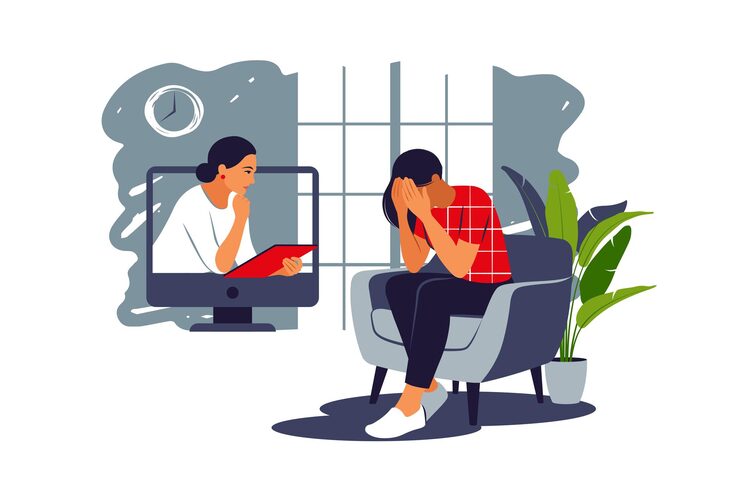
Strong responses brought on by stress, unresolved emotions, or prior events are known as emotional triggers. They may affect how we react to other people, circumstances, and obstacles in day-to-day living. Gaining an understanding of these triggers is crucial for enhancing mental health, relationships, and emotional regulation. Mental health education is essential for assisting people in identifying, controlling, and constructively responding to emotional triggers. People may acquire the skills they need to become more conscious and create better coping mechanisms via organised learning.
Emotional Triggers: What Are They?
Events, statements, or behaviours that elicit intense emotional responses are known as emotional triggers. These reactions might include anger, grief, anxiety, or frustration and often seem instinctive. Typically, triggers are rooted in firmly held beliefs, unresolved conflicts, or prior experiences. A person’s body and mind respond swiftly to a familiar setting that triggers a bad memory. The first step to properly regulating these triggers is to understand their origins.
By promoting introspection and self-awareness, mental health classes assist people in recognising their own triggers. Participants learn how emotional reactions are shaped by prior experiences and how to identify behavioural patterns. Knowing this enables individuals to take a moment, evaluate their responses, and answer more composedly rather than rashly.
The Function Of Mental Health Course 13379NAT
The goal of the Mental Health Course 13379NAT is to provide students with useful skills for identifying and handling mental health issues. Understanding emotional responses, seeing warning signals, and providing the right kind of assistance are the main objectives of this training. Participants become better at managing stressful events in both their personal and professional lives by understanding how emotional triggers form.
In addition to emphasising early intervention, this course teaches students how to handle delicate situations with tact and compassion. It also emphasises how crucial it is to provide safe spaces where individuals may talk about their mental health issues. Participants have practical experience in skilfully controlling emotional reactions via real-life experiences.
Community-Based Courses On Mental Health
As awareness of emotional wellness increases, community-based mental health education is becoming more and more significant. Accessible training is offered by Mental Health Courses Sydney to community organisations, businesses, and individuals. These programmes concentrate on common issues, including interpersonal problems, burnout, stress, and difficulties at work.
These courses help individuals better understand their own emotional patterns and react to others by providing useful skills. Participants gain knowledge about how social settings, cultural backgrounds, and individual beliefs affect emotional responses. This comprehension enhances communication in both personal and professional contexts and fosters empathy.
Additionally, community courses promote candid discussions about mental health. They contribute to lowering stigma and creating networks of support by normalising conversations about emotions. People are more inclined to ask for assistance and support one another when they feel at ease discussing their difficulties.
Handling High-Stress Circumstances
Certain emotional triggers come out in stressful or emergency circumstances. The Mental Health Crisis Response Course equips participants to handle emotional turmoil with composure and effectiveness. The main objectives of this training are to identify warning signals, defuse stressful situations, and provide prompt assistance.
Participants gain the ability to speak empathetically and maintain composure under duress. They learn how to listen without passing judgment and, when necessary, direct them to the right kind of professional assistance. Families, community organisations, schools, and corporations all benefit from these abilities.
Responders may prevent circumstances from becoming worse by being aware of emotional triggers during a crisis. They may concentrate on offering comfort and useful support rather than responding emotionally. This strategy encourages healing and helps stop more suffering.
The Advantages Of Knowing Your Emotional Triggers
Gaining knowledge of emotional triggers has many advantages. People learn to better control their emotions and become more conscious of their responses. Relationships, communication, and self-confidence all improve as a result. Additionally, people learn more effective coping mechanisms for conflict, stress, and anxiety.
By teaching self-reflection and emotional control, mental health courses promote personal development. Participants experience better decision-making and increased emotional stability over time. These abilities are beneficial for both career success and personal well-being.
Conclusion
People may better understand emotional triggers and control their reactions by taking mental health classes. People develop emotional resilience, acquire useful coping mechanisms, and acquire insightful knowledge about their emotions via schooling. These courses, whether offered via community programmes or professional training, enable individuals to take charge of their mental health and provide understanding and compassionate assistance to others.