
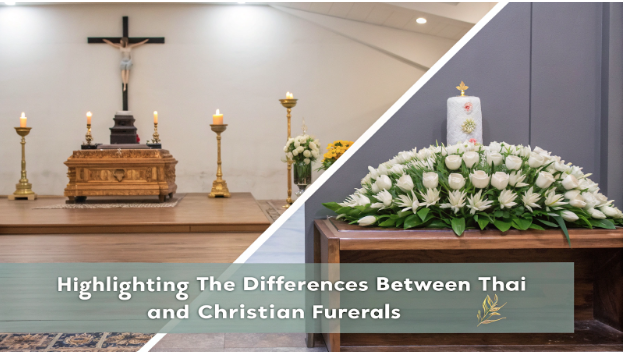
Funeral traditions reflect deeply held cultural and spiritual values, serving as final tributes that honor the deceased while providing comfort to the grieving. Across the globe, these ceremonies vary dramatically in their symbolism, duration, and rituals. Two distinct approaches—Thai Buddhist funerals and Christian funerals—offer fascinating contrasts rooted in centuries of religious tradition and cultural practice.
Understanding these differences becomes increasingly important in our interconnected world, where multicultural families and international communities navigate grief across belief systems. Thai funerals emphasize cyclical rebirth and merit-making for the deceased’s journey, while Christian funerals focus on eternal salvation and resurrection. Both traditions, though divergent in theology, share the universal goal of honoring life and providing closure.
When arranging ceremonies that respect these traditions, families often seek professional guidance to ensure proper protocols are followed. Services like SURIYA COFFIN SERVICE help communities navigate the complex requirements of traditional Thai funerals, from selecting appropriate caskets to coordinating with monks and cremation facilities. This attention to cultural detail ensures ceremonies maintain their spiritual significance while easing logistical burdens during emotionally difficult times.
Core Spiritual Beliefs Shaping Each Tradition
The fundamental difference between Thai and Christian funerals lies in their theological foundations. Thai Buddhist funerals are guided by concepts of reincarnation, karma, and the impermanence of life. Death is viewed not as an ending but as a transition to the next existence, with the deceased’s karmic balance determining their rebirth. The primary goal of funeral rituals is to generate merit that benefits the departed soul’s journey through the cycle of samsara.
Christian funerals, conversely, emphasize resurrection and eternal life through faith in Jesus Christ. Death represents the soul’s separation from the physical body and its passage to heaven, hell, or purgatory depending on denominational beliefs. The funeral serves as a celebration of the deceased’s life and a reaffirmation of faith in God’s promise of salvation. Rather than influencing the afterlife through rituals, Christian ceremonies focus on commending the soul to God’s mercy.
These contrasting worldviews shape every aspect of how each tradition approaches death. Thai Buddhists engage in active merit-making through chanting, offerings, and good deeds to aid the deceased. Christians rely on divine grace and the redemptive power of Christ’s sacrifice, viewing the funeral as a witness to eternal hope rather than a mechanism for spiritual advancement.
Duration and Timing of Funeral Ceremonies
Thai Buddhist funerals traditionally extend over multiple days, often lasting three, five, or seven days, though some ceremonies continue for 100 days. This prolonged period allows family and community members to gather, perform merit-making rituals, and properly honor the deceased. The body is typically bathed, preserved, and placed in an ornate casket displayed at the home or temple, where monks conduct nightly chanting sessions.
The actual cremation often occurs days or even weeks after death, providing time for distant relatives to arrive and for elaborate preparations. Evening prayer sessions feature monks reciting sutras, with family members presenting offerings of flowers, candles, and incense. This extended timeframe reflects Buddhist beliefs about the transitional state of consciousness after death, during which merit-making activities most benefit the departed.
Christian funerals generally proceed more quickly, with services typically held within three to seven days of death. Western Christian traditions often include a wake or viewing the night before, followed by a funeral service and immediate burial or cremation. The expedited timeline stems partly from practical considerations and partly from theological views that the soul’s fate is determined at death rather than influenced by prolonged rituals.
Catholic traditions may incorporate additional elements like a rosary vigil or requiem Mass, while Protestant services often feature simpler formats. Regardless of denomination, the compressed timeline emphasizes closure and the belief that the deceased has already entered God’s presence.
Ritual Practices and Ceremonial Elements
Thai Buddhist funeral rituals are rich with symbolic acts designed to generate merit and ease the deceased’s transition. Key practices include:
- Bathing the body with blessed water poured by family members, symbolizing purification and respect
- Placing coins in the mouth or hands to pay for passage to the next life
- Offering daily alms to monks in the deceased’s name to accumulate merit
- Chanting of Buddhist scriptures throughout the night to guide the consciousness
Monks play a central role, leading prayers and accepting donations of food, robes, and money that transfer merit to the deceased. White is the predominant mourning color, symbolizing purity and mourning in Thai culture. The cremation itself is a significant event, sometimes attended by hundreds of people, with the ashes often divided among family members or enshrined in stupas.
Christian funerals feature different ceremonial elements focused on worship, remembrance, and commendation of the soul. Services typically include hymns, scripture readings emphasizing resurrection, eulogies celebrating the deceased’s life, and prayers entrusting the soul to God’s care. The liturgy varies by denomination—Catholic Masses include communion and formal prayers for the dead, while Protestant services may emphasize personal testimonies and contemporary worship music.
Black is traditionally worn by mourners in Western Christian contexts, though this has relaxed in recent decades. The committal at the graveside or crematorium includes final prayers and the symbolic gesture of casting earth upon the casket. Rather than ongoing merit-making, Christians often hold memorial services on anniversaries, focusing on remembrance rather than influencing the afterlife.
The Role of Clergy and Community Participation
In Thai Buddhist funerals, monks are indispensable spiritual guides who facilitate the deceased’s journey. Their presence sanctifies the ceremony, and their chanting is believed to directly benefit the departed soul. The number of monks invited often correlates with the family’s means and desire to generate maximum merit, with some funerals hosting dozens of monks for multi-day ceremonies.
Community participation is extensive, with neighbors, colleagues, and distant acquaintances attending nightly vigils. Guests contribute donations, assist with preparations, and join in merit-making activities. This collective involvement reflects Buddhist principles of interdependence and the belief that communal good deeds create ripples of positive karma benefiting all participants.
Christian funerals assign clergy different roles—as shepherds comforting the bereaved and proclaiming theological truths about death and resurrection. Priests or ministers lead liturgies, deliver sermons, and perform sacraments, but the emphasis is on ministering to the living rather than directly affecting the deceased’s spiritual state. Their words offer assurance of God’s love and the promise of reunion in heaven.
Community involvement in Christian funerals centers on supporting grieving families through presence, condolences, and practical assistance like providing meals. While prayers are offered for the deceased’s soul, especially in Catholic and Orthodox traditions, the primary focus is on helping survivors navigate loss within a faith framework that trusts God’s ultimate justice and mercy.
Post-Funeral Observances and Continuing Rituals
Thai Buddhist traditions extend well beyond the cremation ceremony. Families often observe specific memorial days at seven days, 50 days, and 100 days after death, inviting monks for chanting and alms-giving. These occasions allow continued merit-making and provide structured opportunities for families to process grief within a spiritual context.
Annual remembrances coincide with festivals like Songkran, when families visit temples to make offerings honoring deceased ancestors. Some families maintain small shrines at home with photographs and incense, treating the departed as ongoing presences worthy of respect and remembrance. These practices reinforce Buddhist concepts of continuity between the living and dead.
Christian post-funeral observances are typically less ritualized, though Catholics may hold memorial Masses at one month and one year anniversaries. Protestant traditions generally rely on personal remembrance rather than formal ceremonies, though many families mark death anniversaries with graveside visits or charitable acts honoring the deceased.
The Christian emphasis on resurrection means death is viewed as a temporary separation rather than an ongoing relationship requiring ritual maintenance. While memories remain precious, the theological framework positions the deceased as safely in God’s care, requiring no further intercession beyond prayers commending them to divine mercy.
Practical Considerations for Modern Multicultural Families
As societies become increasingly diverse, families with mixed religious backgrounds face unique challenges in honoring both traditions respectfully. Some opt for separate ceremonies reflecting each faith, while others create hybrid services incorporating elements from both traditions. The key lies in clear communication with clergy and service providers about expectations and non-negotiable elements.
For Thai Buddhist families living abroad, maintaining traditional practices may require coordinating with specialized funeral homes familiar with cultural requirements, including multi-day viewings, monk accommodations, and cremation preferences. Similarly, Christian expatriates in Thailand might seek English-speaking clergy and burial options rather than cremation if that aligns with their denominational practices.
Understanding these differences fosters greater empathy and cultural competence when supporting grieving friends or colleagues. Whether attending a temple cremation or a church funeral service, respectful participation honors both the deceased and their loved ones navigating loss through their spiritual lens.
Conclusion
Thai Buddhist and Christian funerals represent distinct theological worldviews translated into ritual practice. Thai ceremonies emphasize extended merit-making, communal participation, and active influence on the deceased’s karmic journey through reincarnation. Christian funerals focus on swift commendation of the soul to God, celebration of resurrection hope, and support for survivors trusting divine grace.
Both traditions ultimately serve the same human needs—honoring those who have passed, providing structure for grief, and affirming the values by which the deceased lived. By understanding these differences, we gain deeper appreciation for the diverse ways humanity confronts mortality’s universal challenge, finding meaning and comfort through inherited wisdom and faith.
Required Link: SURIYA COFFIN SERVICE