
Introduction
Slot machines are everywhere. Walk into a casino, open a gambling app, or scroll through an online gaming platform, and you’ll find them shining, spinning, and calling for attention. Yet behind those flashing lights and catchy sound effects lies a fascinating story that stretches back more than a century. Slot machines didn’t just appear overnight as digital entertainment powerhouses. They evolved slowly, shaped by technology, player behavior, and cultural trends. From simple mechanical devices with clunky levers to immersive video slots that feel like mini video games, slots reflect how far both gaming and technology have come.
What makes slot gacor machines so enduring? Part of the answer lies in their simplicity. You don’t need to memorize complex rules or master advanced strategies. You spin, you wait, and you see what happens. But that simplicity hides layers of innovation, psychology, and design. Each era of slot machines introduced new ideas that changed how players interacted with them. Mechanical reels gave way to electric components, which later transformed into digital screens and software-driven experiences. Today’s slots are packed with features, stories, and visuals that would have been unimaginable to early gamblers.
In this article, we’ll take a deep dive into the journey of slot machines. We’ll explore how they began, how they worked in their earliest forms, and how they evolved into the modern video slots we see today. Along the way, you’ll discover why certain symbols became iconic, how technology reshaped gameplay, and what the future might hold for this ever-evolving form of entertainment. Whether you’re a casual player or just curious about gaming history, this journey through slot machines is one worth taking.
The Birth of Slot Machines
Before slot machines existed, gambling looked very different. Players gathered around card tables, rolled dice, or bet on mechanical devices that were often complicated and unreliable. These early gambling tools required dealers or operators, which sometimes led to disputes or mistrust. The idea of a self-operating gambling machine was revolutionary. It promised fairness, consistency, and ease of use, all wrapped into a single device.
The true birth of the modern slot machine is often credited to Charles Fey, a mechanic from San Francisco, in the late 1800s. Fey created a simple machine known as the Liberty Bell. It featured three spinning reels and a handful of symbols, including horseshoes, stars, and the iconic cracked Liberty Bell. When three Liberty Bells aligned, the player hit the top payout. This machine was entirely mechanical, relying on gears, springs, and levers to function. There were no screens, no electricity, and no complex software—just pure mechanical ingenuity.
What made the Liberty Bell so groundbreaking was its automation. Players could insert a coin, pull a lever, and instantly see the result without needing a dealer. This simplicity made the machine incredibly popular in bars and saloons. It also laid the foundation for every slot machine that followed. While Fey never patented his invention, allowing others to copy and modify it, his design became the blueprint for the sbobet industry. In many ways, every modern video slot still carries a piece of the Liberty Bell’s DNA.
How Classic Slot Machines Worked
Classic slot machines were marvels of mechanical engineering. Inside their sturdy metal cabinets, a complex network of gears, springs, and rotating shafts worked together to create the spinning reels players saw on the outside. When a player pulled the lever, it physically set the reels in motion. Each reel spun independently, eventually stopping due to mechanical resistance and timing mechanisms.
The symbols on these reels were fixed in place, meaning the odds were determined by the physical arrangement of symbols. This made early slots relatively transparent compared to today’s digital versions. If a reel had ten symbols and only one of them was a jackpot symbol, players could roughly understand their chances. Payouts were usually dispensed in coins, which added to the sensory appeal. The sound of coins clattering into the tray was, and still is, deeply satisfying.
Paylines in classic slots were simple, often limited to a single line running across the center of the reels. To win, symbols had to align perfectly on that line. There were no bonus rounds, no free spins, and no multipliers. Yet this simplicity was part of the charm. Players knew exactly what they were getting. Each spin was quick, straightforward, and easy to understand, making classic slots accessible to everyone.
Iconic Symbols of Classic Slots
If you picture a classic slot machine, certain symbols probably come to mind immediately. Cherries, bars, sevens, bells—these images are deeply ingrained in popular culture. But their origins are more practical than decorative. Early slot machines often used symbols inspired by playing cards or common objects because they were easy to recognize.
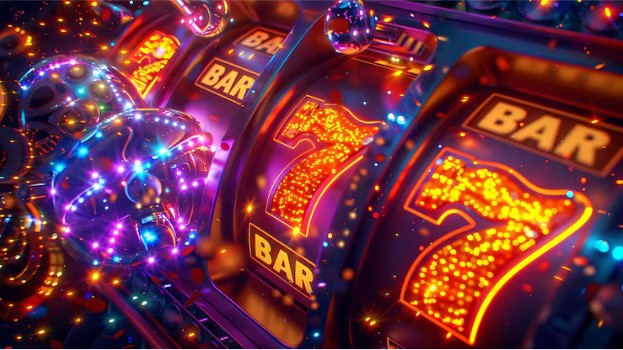
Cherries and other fruits became popular partly due to legal restrictions. In some regions, cash payouts were restricted, so machines awarded gum or candy instead. The fruit symbols represented the flavors players could win. The bar symbol, on the other hand, originated from the logo of the Bell-Fruit Gum Company, which produced many early slot machines. The number seven gained its status as a lucky symbol from its long-standing cultural associations with luck and fortune.
These symbols did more than decorate the reels. They created a shared language among players. Seeing three sevens line up became universally understood as a big win. Over time, these icons transcended their original purpose and became synonymous with gambling itself. Even modern video slots often include classic symbols as a nod to their roots, blending nostalgia with innovation.
The Golden Age of Mechanical Slots
As slot machines grew in popularity, casinos began dedicating more floor space to them. This period, often referred to as the golden age of mechanical slots, saw rapid expansion and refinement. Manufacturers experimented with new designs, sturdier cabinets, and smoother reel mechanisms. The machines became more reliable, which boosted player trust and increased their presence in gambling venues.
Casinos loved mechanical slots because they were easy to manage. They didn’t require dealers, took up relatively little space, and generated steady revenue. Players loved them because they were simple, fast-paced, and entertaining. Pulling the lever became a ritual, almost like casting a spell and waiting to see the outcome. The physical interaction added to the excitement in a way that buttons and touchscreens would later try to replicate.
During this era, slot machines became cultural icons. They appeared in movies, advertisements, and even songs. The image of a player standing in front of a slot machine, hopeful and focused, became a symbol of chance and possibility. Mechanical slots weren’t just games; they were experiences that captured the imagination of millions.
The Shift from Mechanical to Electromechanical Slots
Technology rarely stands still, and slot machines were no exception. The next major leap came with the introduction of electromechanical slots in the mid-20th century. These machines still used physical reels, but electricity controlled many of their functions. This hybrid design opened the door to new possibilities.
Electromechanical slots allowed for more complex payout systems and larger jackpots. Because electricity handled coin counting and payout calculations, machines could offer higher rewards without the risk of mechanical jams. Flashing lights, sound effects, and animated displays became more common, making slots more visually appealing.
Perhaps most importantly, electromechanical designs paved the way for the eventual transition to fully digital machines. They familiarized players with buttons instead of levers and introduced the idea that technology could enhance gameplay. While purists sometimes preferred the old mechanical feel, many players embraced the added excitement and features. This period marked a crucial turning point in the evolution of slot machines.
The Rise of Video Slot Machines
The introduction of video slot machines in the 1970s and 1980s was nothing short of revolutionary. For the first time, physical reels were replaced by video screens. Early video slots faced skepticism. Players worried about fairness, suspecting that invisible software could be manipulated more easily than mechanical parts. To overcome this distrust, manufacturers had to prove that video slots were just as random and reliable.
Once players became comfortable with the idea, video slots took off. Screens allowed for more symbols, more paylines, and more creative designs. Instead of being limited by physical space, developers could create complex layouts and imaginative themes. The result was a new generation of slots that felt fresh and exciting.
Video slots also changed the pace of play. Animations and transitions added drama to each spin, while bonus rounds broke up the monotony of repetitive gameplay. These machines didn’t just offer a chance to win; they offered entertainment. This shift would define the future of the slot industry.
How Modern Video Slots Work
Behind the colorful graphics and engaging animations of modern video slots lies sophisticated software. At the heart of every video slot is a Random Number Generator, or RNG. This algorithm continuously generates random numbers, even when the machine isn’t being played. When you press the spin button, the RNG determines the outcome instantly.
This system ensures fairness and unpredictability. Each spin is independent, meaning previous results have no impact on future outcomes. While the mechanics are far more complex than those of classic slots, the principle remains the same: chance governs everything.
Modern video slots also use Return to Player (RTP) percentages and volatility settings to shape gameplay. RTP indicates how much of the wagered money is returned to players over time, while volatility affects how often and how big wins are. These factors help developers balance excitement and sustainability, creating games that appeal to different types of players.
Themes and Storytelling in Video Slots
One of the most exciting aspects of modern video slots is their use of themes and storytelling. Slots are no longer just about matching symbols; they’re about immersing players in a world. From ancient civilizations and fantasy realms to blockbuster movies and TV shows, almost any theme you can imagine has been turned into a slot game.
Storytelling adds depth to gameplay. Instead of spinning aimlessly, players might unlock chapters, defeat villains, or progress through a narrative. This approach borrows heavily from video games, blurring the line between gambling and interactive entertainment.
Themes also help players connect emotionally with a game. A slot based on a favorite movie or myth can feel more personal and engaging. This emotional connection keeps players interested, transforming slots from simple chance-based games into memorable experiences.
Bonus Features and Special Mechanics
Modern video slots are packed with bonus features designed to keep gameplay exciting. Free spins, wild symbols, scatter payouts, and multipliers are just the beginning. Many slots include interactive bonus rounds where players make choices that influence outcomes, adding a sense of control and involvement.
These features serve multiple purposes. They break up the rhythm of standard spins, create anticipation, and offer the potential for larger wins. From a design perspective, bonus features allow developers to showcase creativity and differentiate their games in a crowded market.
For players, bonuses are often the highlight of a slot session. Triggering a bonus round feels like unlocking a hidden treasure. It’s a moment of excitement that keeps people coming back for more.
Progressive Jackpots
Progressive jackpots are among the most thrilling innovations in slot machine history. Unlike fixed jackpots, progressives grow over time as players place bets. A small portion of each wager contributes to a shared prize pool, which can reach life-changing amounts.
These jackpots can be linked across multiple machines or even multiple casinos, both physical and online. This connectivity allows jackpots to grow rapidly, attracting players with the promise of massive rewards.
Stories of progressive jackpot winners have become legendary, fueling dreams and headlines. While the odds of winning are slim, the possibility alone adds a layer of excitement that few other casino games can match.
Online Slots and Mobile Gaming
The rise of the internet transformed slot machines once again. Online casinos brought slots into people’s homes, eliminating the need to visit a physical casino. This shift expanded the audience dramatically, making slots accessible to anyone with an internet connection.
Mobile gaming took this accessibility even further. Today, players can spin the reels on their smartphones or tablets, whether they’re at home or on the go. Touchscreens and intuitive interfaces make mobile slots easy to use, while cloud technology ensures smooth performance.
Online slots also allow for faster innovation. Developers can release new games regularly, experiment with mechanics, and update features without physical constraints. This constant evolution keeps the slot industry dynamic and competitive.
Graphics, Sound, and Player Experience
Modern slots are audiovisual experiences. High-definition graphics, cinematic animations, and professionally composed soundtracks create an atmosphere that rivals video games and movies. Every detail, from symbol design to background music, is carefully crafted to enhance immersion.
Sound plays a crucial role in player experience. Winning sounds, near-miss tones, and ambient music all influence how players perceive outcomes. These audio cues trigger emotional responses, making wins feel bigger and losses less discouraging.
User experience design ensures that slots are intuitive and engaging. Clear menus, responsive controls, and smooth animations keep players focused on the game rather than struggling with the interface. The result is an experience that feels seamless and enjoyable.
Player Psychology and Slot Design
Slot machines are designed with human psychology in mind. Features like near-misses, small frequent wins, and visual feedback tap into our natural reward systems. These elements create a sense of anticipation and satisfaction that keeps players engaged.
Developers study player behavior to refine their designs. They analyze how long people play, which features are most popular, and how different visuals affect engagement. This data-driven approach allows for continuous improvement.
While these techniques enhance entertainment, they also highlight the importance of awareness. Understanding how slots are designed can help players make informed decisions and enjoy the games responsibly.
Responsible Gaming in the Modern Slot Era
As slot machines have become more engaging, responsible gaming has become increasingly important. Modern platforms offer tools like deposit limits, time reminders, and self-exclusion options to help players stay in control.
Education is another key factor. Casinos and developers provide information about odds, RTP, and gameplay mechanics so players know what to expect. Transparency builds trust and encourages healthier gaming habits.
Responsible gaming isn’t about removing fun; it’s about balance. When players approach slots as entertainment rather than a way to make money, the experience becomes more enjoyable and sustainable.
The Future of Slot Machines
The future of slot machines looks incredibly exciting. Emerging technologies like virtual reality and augmented reality promise even deeper immersion. Imagine stepping into a virtual casino or interacting with slot symbols in a 3D environment.
Blockchain technology and cryptocurrencies are also making waves, offering new ways to handle transactions and ensure transparency. Meanwhile, artificial intelligence could personalize gameplay, tailoring features and themes to individual preferences.
While the core concept of slots will remain the same, the ways we experience them will continue to evolve. Slot machines have always adapted to technological change, and there’s no sign of that slowing down.
Conclusion
From the clunky mechanical reels of the Liberty Bell to today’s immersive video slots, the evolution of slot machines is a story of innovation, creativity, and human curiosity. Each era built upon the last, introducing new technologies and ideas that reshaped how people play. What started as a simple mechanical gamble has become a global entertainment phenomenon.
Slot machines endure because they balance simplicity with excitement. They’re easy to play yet endlessly varied, familiar yet constantly changing. As technology continues to advance, slots will undoubtedly find new ways to surprise and entertain us. One thing is certain: the reels may change, but the thrill of the spin will always remain.
FAQs
- Are modern video slots fair?
Yes, modern video slots use certified Random Number Generators to ensure fair and random outcomes. - What’s the difference between classic and video slots?
Classic slots use simple mechanics and few paylines, while video slots offer advanced graphics, multiple paylines, and bonus features. - Can you improve your chances on a slot machine?
Slots are games of chance, but understanding RTP and volatility can help you choose games that suit your play style. - Why are progressive jackpots so large?
They grow because a portion of every bet contributes to the jackpot, often across many machines or platforms. - Are online slots different from casino slots?
The core mechanics are the same, but online slots often offer more themes, features, and convenience.