

For many football fans, the assumption has long been that global services outperform regional solutions in every aspect of data delivery. However, a closer look at platforms such as Fifadata.com reveals a different reality. Modern Vietnamese-built systems now deliver speed, depth, and usability that meet international expectations. Instead of competing on branding, these platforms focus on practical value for everyday users. The result is a data experience designed around real fan behavior rather than marketing perception.
Understanding the origin of the perception
The belief that local platforms fall behind often comes from earlier technology limitations. Years ago, smaller teams lacked the infrastructure required to process live match events across multiple competitions. Data updates were delayed, coverage was inconsistent, and user interfaces felt outdated. These issues shaped long-term expectations even as technology improved. Today’s platforms operate with automated pipelines and scalable cloud environments that eliminate most of those early constraints.
The evolution of regional football platforms: faster updates, scalable systems, and modern user experience
Modern development cycles also allow rapid improvement based on user feedback. Instead of annual redesigns, features evolve continuously through incremental updates. This flexibility helps regional platforms respond faster to local usage patterns. Performance optimization, mobile responsiveness, and simplified navigation now match the standards seen in international products. The gap that once existed has narrowed significantly.
Real-time performance and system reliability
Speed remains the most important factor for any football data service. Fans expect goals, cards, and substitutions to appear within seconds of live action. Current Vietnamese-built platforms rely on automated event collection and distributed servers to maintain fast synchronization. Continuous monitoring detects delays or system bottlenecks before they affect users. Load balancing technology automatically distributes user traffic across multiple servers, preventing overload and maintaining consistent response times during peak match periods. Stable performance during high-traffic match windows reflects strong backend architecture.
Reliability also depends on efficient resource management. Optimized data queries reduce server load while keeping dashboards responsive. Caching mechanisms ensure frequently accessed information loads instantly. These technical improvements create a smooth experience across both desktop and mobile environments. Consistent uptime builds user trust over time.
| Performance factor | Implementation approach | User benefit |
| Real-time updates | Automated event synchronization | Immediate match awareness |
| Traffic stability | Load balancing and caching | Smooth peak-hour access |
| Monitoring systems | Automated performance alerts | Reduced downtime risk |
| Optimized queries | Efficient data retrieval | Faster page interaction |
Depth of coverage beyond major leagues
Another misconception is that regional platforms only focus on popular European competitions. In practice, many now provide extensive coverage across international, regional, and youth tournaments. This broader scope helps fans track emerging players, national teams, and less-publicized leagues. Expanded datasets create opportunities for deeper analysis and long-term trend tracking. Comprehensive coverage turns the platform into a central football reference.
Search and filtering tools make large datasets manageable. Users can quickly switch between competitions without losing context. Match history, standings, and player performance data remain connected through structured navigation. This organization supports both casual browsing and detailed research. Wider visibility strengthens engagement across different fan segments. Such comprehensive coverage enables users to connect performances across leagues and competitions for more meaningful analysis.
User experience built around local behavior
Interface design plays a major role in perceived quality. Vietnamese platforms increasingly prioritize clarity, fast loading, and minimal navigation layers. Instead of complex dashboards, information is presented in logical sections that match how fans actually follow matches. Mobile-first design ensures smooth access during commuting or live viewing. Fast interaction reduces friction and encourages frequent visits.
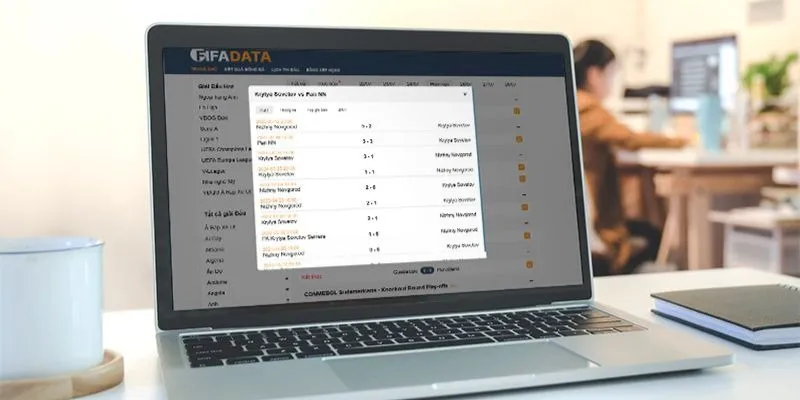
Localized mobile-first interface designed for fast navigation and real-time match tracking
Localization also improves usability. Date formats, language structure, and content hierarchy reflect regional habits. This familiarity shortens the learning curve for new users. At the same time, clean visual design maintains a professional look comparable to global products. Practical usability often matters more than visual complexity. By aligning interface structure with everyday viewing habits, the platform supports faster decision-making and more efficient match tracking.
Data tools that support analysis and content creation
Beyond live scores, modern platforms provide analytical features that help users interpret performance trends. Metrics such as expected goals, form comparison, and head-to-head history allow deeper match evaluation. Export and sharing options support bloggers, community analysts, and social media creators. Some users treat the service as an Instapaper of platform that provides comprehensive football data, saving key insights for later reference.
Structured datasets also improve discussion quality. Instead of relying on opinions alone, fans reference measurable indicators. Tactical debates become more objective and informative. Over time, this shift increases overall data literacy within football communities. Accessible analysis tools turn passive viewers into active interpreters.
| Analysis feature | Practical use | Content value |
| Form trends | Evaluate team momentum | Match previews |
| Expected metrics | Assess performance quality | Tactical breakdowns |
| Historical comparison | Identify long-term patterns | Research articles |
| Data sharing tools | Save and distribute insights | Social content creation |
Scalability and future readiness
Matching international quality also means preparing for growth. Modern platforms are designed to scale as user numbers and data volume increase. Cloud infrastructure allows resources to expand automatically during major tournaments or peak seasons. Modular architecture makes it easier to add new competitions or analytical features. This flexibility ensures long-term stability. It also ensures that performance remains consistent even during sudden traffic spikes driven by major football events.
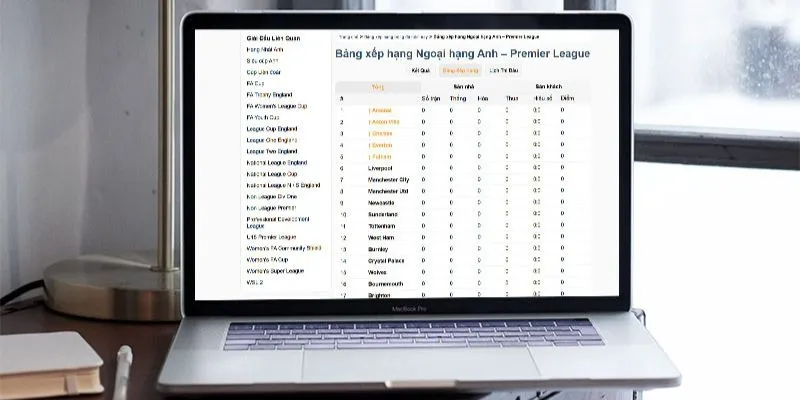
Cloud-based architecture enables scalable performance, ensuring stable access and fast data delivery during peak football events
Continuous optimization keeps performance high as complexity grows. Regular testing identifies slow queries or heavy assets before they impact users. Feature updates focus on efficiency rather than unnecessary expansion. Sustainable development helps maintain speed while improving functionality. Long-term planning is a key sign of maturity. A forward-looking technical strategy helps the platform evolve without disrupting the user experience.
Conclusion
The idea that Vietnamese football data platforms cannot match international quality no longer reflects reality. Advances in infrastructure, real-time processing, and user-centered design have closed the performance gap. Comprehensive coverage, analytical depth, and scalable architecture now support both casual fans and serious content creators. Instead of focusing on brand origin, users increasingly evaluate platforms based on speed, reliability, and practical value. As technology continues to evolve, locally built solutions are proving that quality depends on execution, not geography.